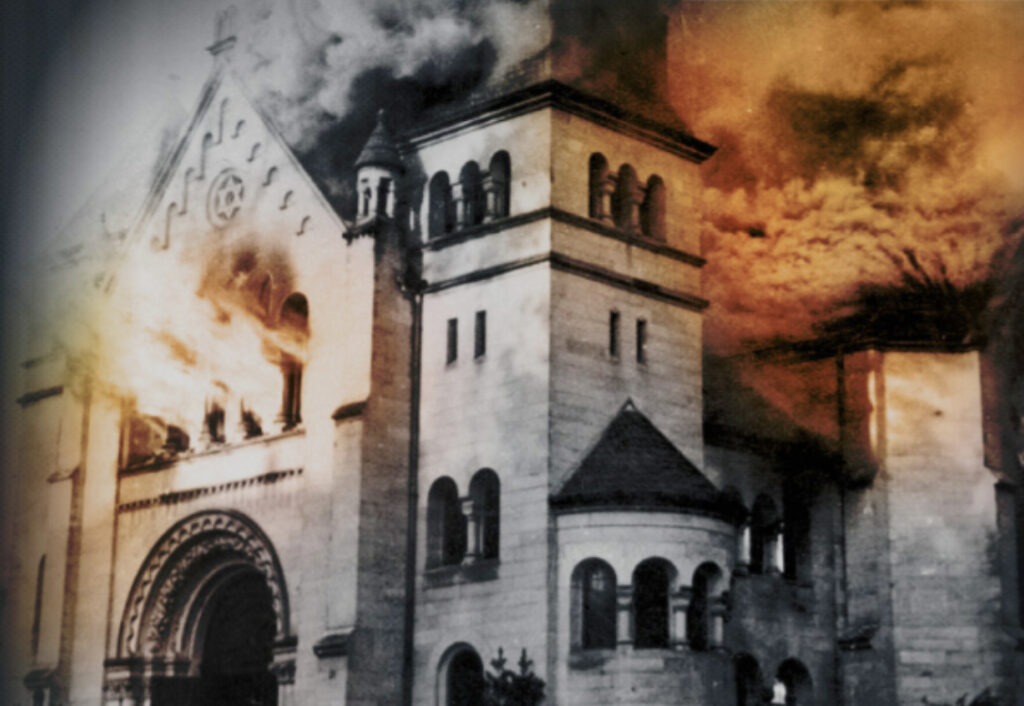
On the night of November 9th, 1938, a wave of coordinated attacks erupted across Nazi Germany and Austria. Known as Kristallnacht—or the “Night of Broken Glass”—this violent event targeted Jewish homes, businesses, synagogues, and individuals.
Orchestrated by the Nazi regime and carried out with the participation of civilians and paramilitary groups, Kristallnacht resulted in the destruction of over 7,000 Jewish businesses, the burning of more than 1,400 synagogues, the deaths of nearly 100 Jews, and the arrest of over 30,000 Jewish men, many of whom were sent to concentration camps.
Kristallnacht marked a turning point in Nazi Germany’s persecution of Jews, shifting from social discrimination to open violence and systematic oppression. Perhaps most horrifying was not just the brutality of the actions themselves, but the silence and complicity of bystanders—neighbors, shopkeepers, and ordinary citizens—who watched, enabled, or ignored the violence. The event serves as a chilling reminder of what happens when people choose indifference over courage.
The relevance of Kristallnacht today is profound, especially when viewed through the lens of what it means to be an Upstander. An Upstander is someone who takes action in the face of injustice, bullying, or discrimination, rather than standing by silently. The events of Kristallnacht highlight the danger of being a bystander. The passivity of the public gave the Nazis the confidence to escalate their policies of hate, ultimately leading to the Holocaust and the death of six million Jews and five million others.
Being an Upstander today means recognizing injustice and choosing to act—whether in our schools, communities, or online spaces. In a world where hate crimes, racism, and antisemitism still exist, the lessons of Kristallnacht and the lessons of the Holocaust are more relevant than ever. Social media, for instance, can spread harmful rhetoric quickly, but it can also be a tool for education, solidarity, and calling out harmful behavior.
Choosing to speak up when someone is targeted or bullied—because of their race, religion, gender identity, or any other factor—is an act of resistance against the same forces of hate that fueled Kristallnacht.
It also means educating ourselves and others. Understanding the history of events like Kristallnacht gives us the awareness to recognize early signs of hate or systemic injustice. When we see discriminatory policies or hear hate speech, we must respond—not just with words, but with actions that support those being targeted.
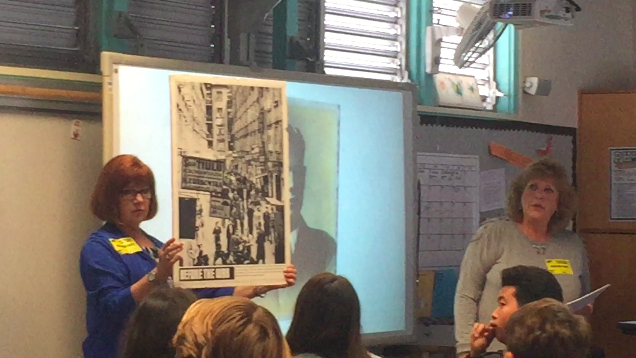
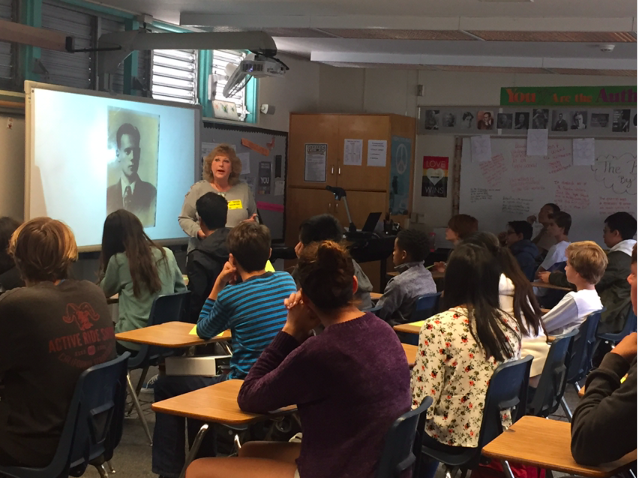
Kristallnacht stands as a historical warning about the cost of silence and the importance of moral courage. The presentations by The Butterfly Project’s Education Team emphasize the role of an Upstander. Students understand that being an Upstander is not always easy, but it is necessary. Each time we choose to act instead of stand by, we honor the victims of the past and help shape a more just and compassionate world. The broken glass of Kristallnacht may be in the past, but the responsibility to confront hate remains firmly in our hands today.
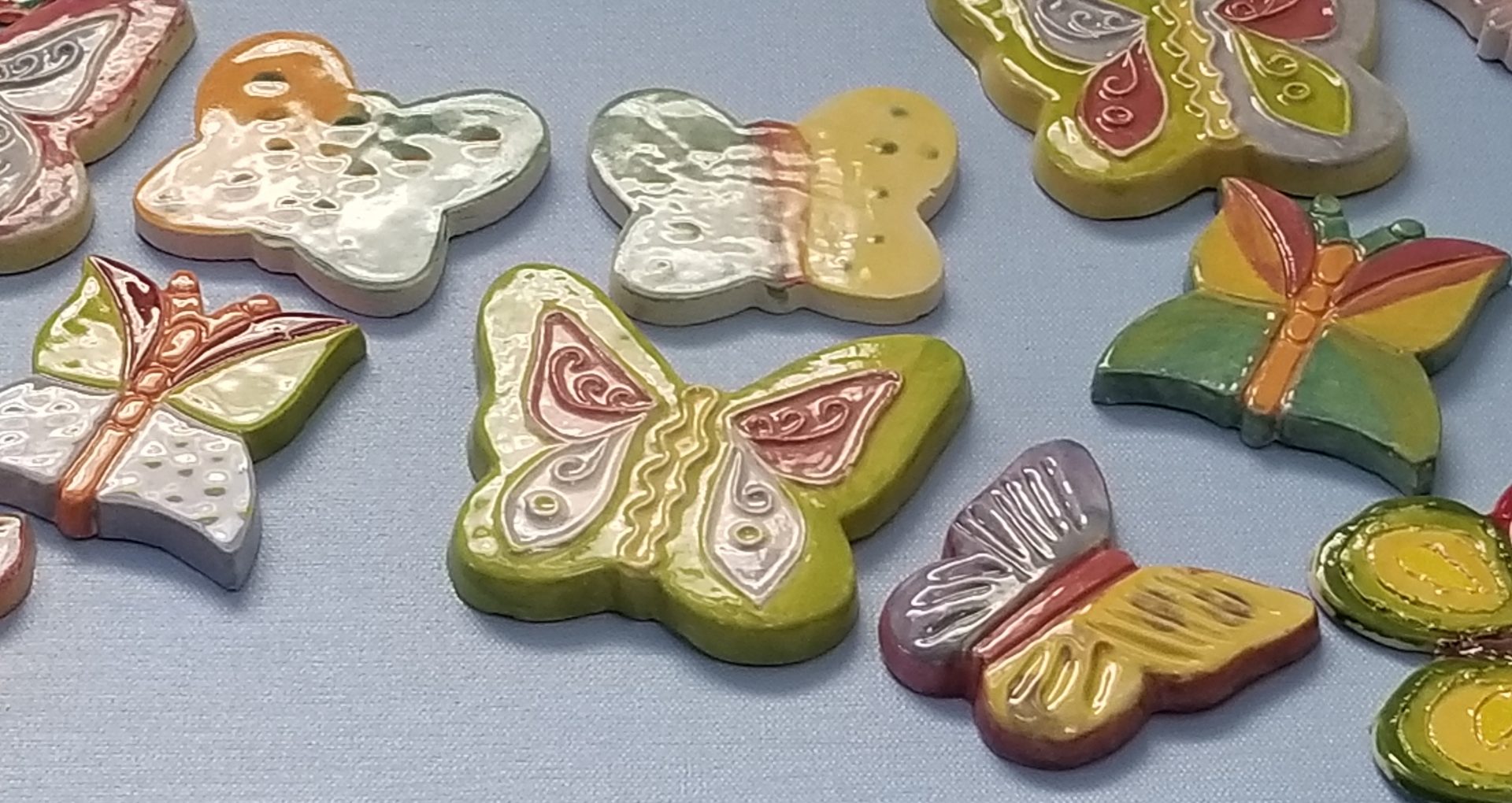
The ceramic butterflies on the walls of schools, churches, synagogues and more across the world show a commitment to remember the past–what happened during the Holocaust when hatred was allowed to flourish–to act responsibly in the present, to be an Upstander against injustices of any kind, and to create a kinder world for all humanity.